
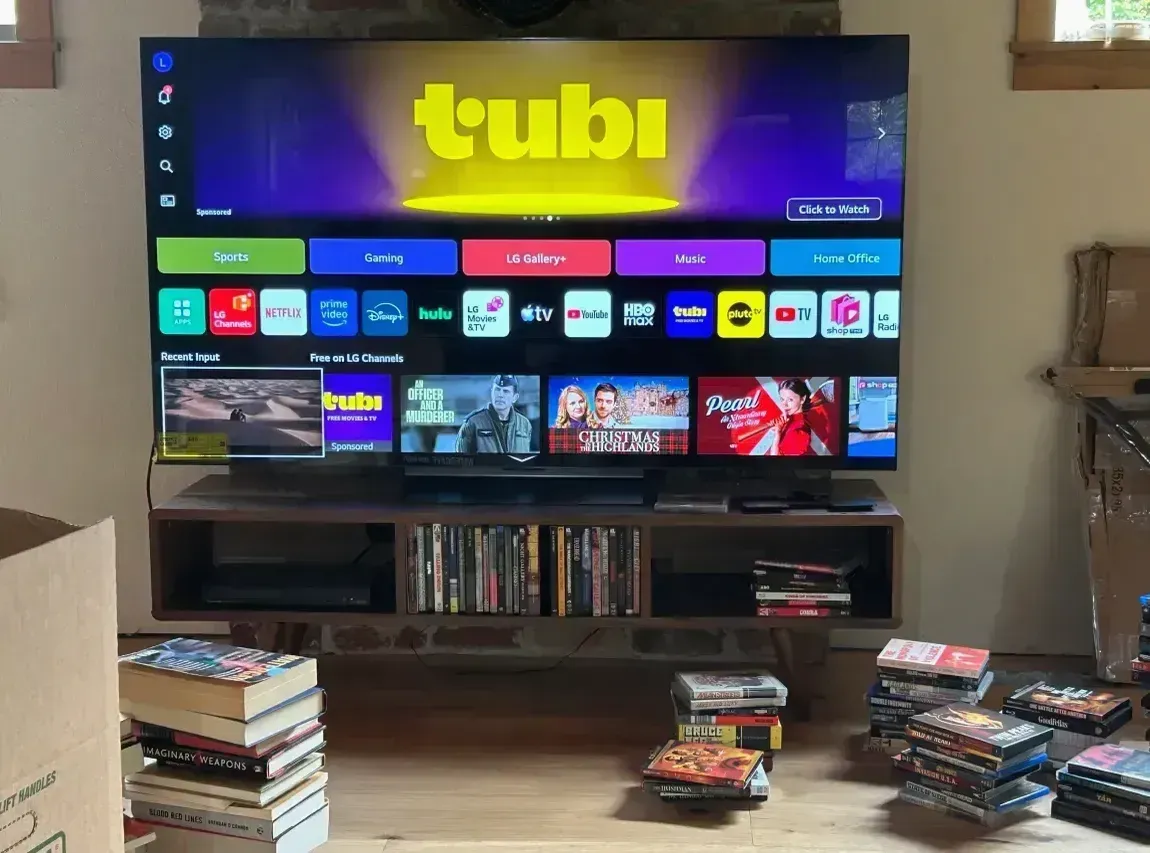
For many home cinema enthusiasts, the jump to an OLED screen is the ultimate goal. Unlike traditional LED sets that rely on a backlight, OLED technology uses self-lighting pixels to create deep blacks and vibrant colors, offering a level of nuance that makes standard televisions look dull by comparison. However, upgrading both image quality and screen size can come with a surprising physiological cost that goes beyond the hefty price tag of a high-end model like the LG evo C4.
The initial thrill of a cinematic home setup can quickly turn into an unexpected health crisis for some users. In one instance, a viewer transitioning from a 55-inch set to a larger 65-inch OLED reported waves of nausea and tension headaches midway through a movie. This experience is not isolated; online forums are filled with new owners describing feelings of lightheadedness and disorientation, with some even fearing their expensive new purchase is breaking their brain. While some blame motion-smoothing settings or sitting too close to the display, others suggest that the sheer scale and brightness of these screens can overwhelm the senses.
One theory suggests that the nausea stems from an adjustment period where the eyes struggle to process such a vast field of motion. When a screen is large enough that the eye must physically trace different areas to take in the whole picture, it can create a sensation similar to staring out the window of a moving car. For many, this sensory overload is temporary. After several days of acclimation, the dizziness typically fades, leaving behind a viewing experience that far surpasses anything previously possible in a living room setting.
Beyond the physical adaptation, potential buyers should consider the practicalities of space and setup. A massive screen can easily devour a small room, making environmental fit as important as technical specifications. Furthermore, the assembly process for these oversized units is often surprisingly vague, frequently requiring third-party tutorials to avoid damaging the fragile panel during installation. Despite these hurdles, once calibrated through features like Filmmaker Mode, the modern OLED remains a spectacular piece of equipment for those willing to endure a brief learning curve.